Description
We’ve been growing moringa for our personal use for decades but this is new! Our partners in the Yucatán Peninsula grow it on a unique carbon-neutral farm with no chemicals or supplemental water. It’s the botanical equivalent of “what doesn’t kill you makes you stronger.”
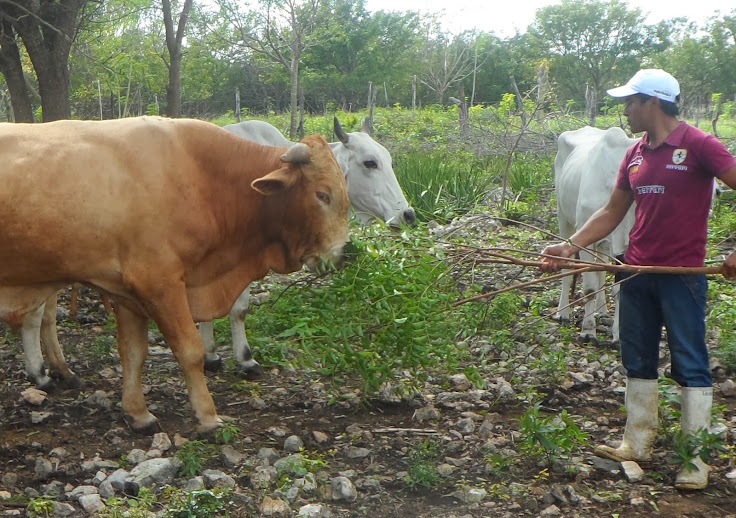
They grow neem and moringa that are fed to cattle, which in turn helps build the soil in a perfect, regenerative loop. The cattle benefit from eating “superfood,” which provides an exceptional profile of proteins, vitamins, and bioactive compounds, dramatically improving livestock vitality. The manure is cycled back to the neem and moringa trees, feeding plants and restoring natural vitality to the soil.
Moringa, once a plant known only in India, has become one of the most studied botanical supplements with multiple peer-reviewed reports validating its benefits. It’s a nutritional and antioxidant powerhouse packed with vitamins, minerals, and amino acids, making it a formidable tool against oxidative stress and malnutrition. A recent review article published in the International Journal of Molecular Medicine traces the use of moringa as a medicinal herb back 3,000 years. *
The research also documents diverse therapeutic applications ranging from anti-inflammatory to anti-diabetic properties with compounds that protect hearts and livers. Explore the detailed breakdown of its traditional and clinical validation in the study Moringa oleifera: a food plant with multiple medicinal uses. *
Please note that these tough growing conditions likely cause this moringa to be more concentrated and chemically potent than pampered plants raised with supplemental water and chemical fertilizers. When plants are forced to battle harsh elements—like the blistering heat of the Yucatán, rocky soil, and restricted water—they don’t just survive; they adapt by shifting into a high-defense survival mode.
If you’ve never used moringa before, start with a sprinkle in your smoothie or omelet to avoid gastrointestinal impacts of a highly concentrated green food. Some experts say you can progress over time to as much as ¼ cup per day, but we would recommend no more than two tablespoons even after you’ve become acclimated to it.
And if you’re already eating moringa, let us know how this compares. Laboratory tests are expensive so we probably won’t run them but we would like to know what you think!
Reviews
There are no reviews yet.